

Unlocking secrets How casinos leverage psychology for big wins
The Science Behind Casino Design
Casinos are meticulously designed environments that utilize psychological principles to enhance player experience and increase the likelihood of spending. The layout of a casino is not merely a matter of aesthetics; it’s a calculated strategy aimed at maximizing engagement. Research shows that the arrangement of games, lighting, and sound all play a vital role in influencing how long players stay and how much they’re willing to wager. As players explore these engaging spaces, they may benefit from accessing alist of offshore sportsbooks to further enhance their understanding of betting options.
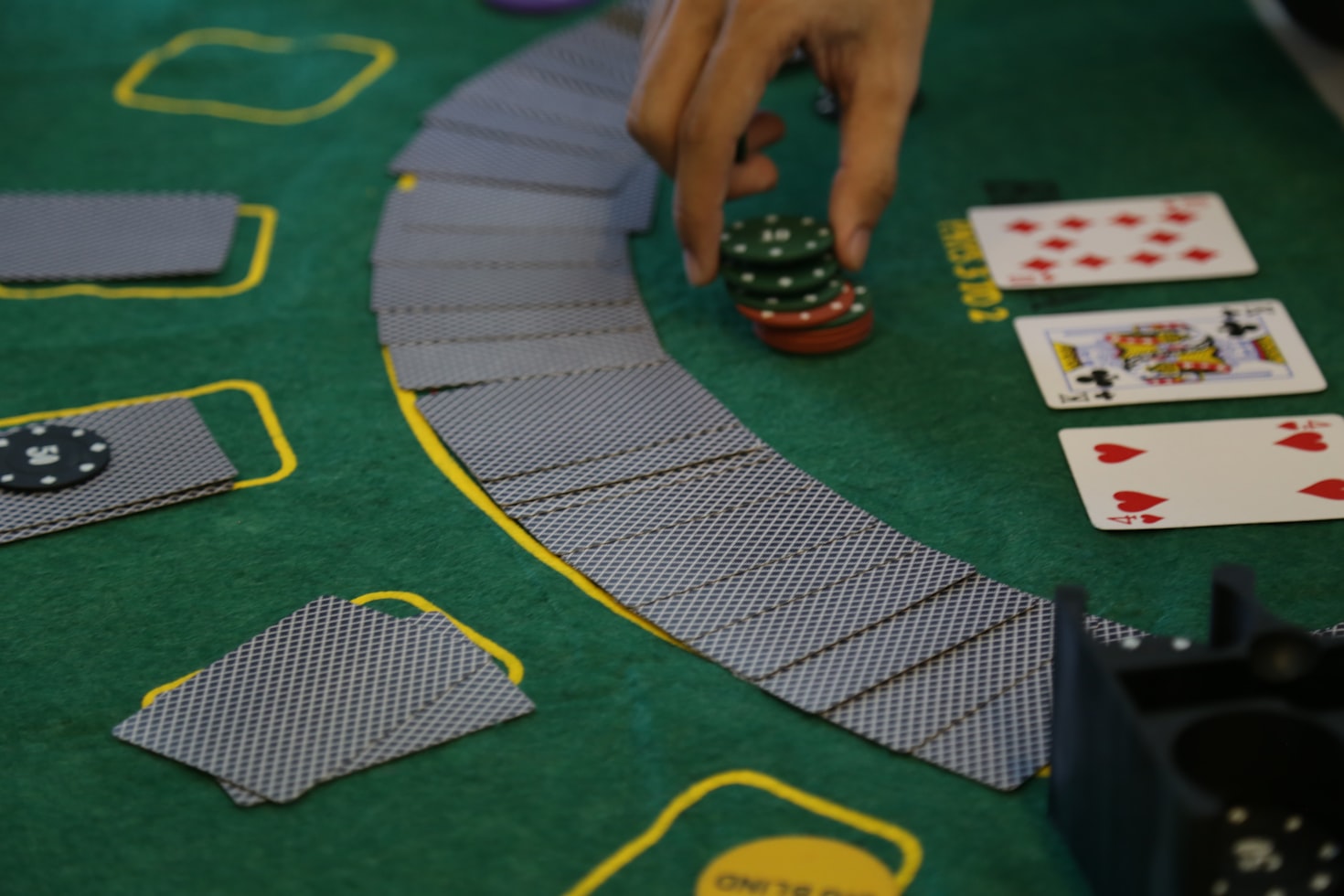
For instance, the absence of windows and clocks in many casinos is intentional, creating a sense of timelessness. Players can lose track of time and become engrossed in their gaming experiences. Such design strategies are grounded in behavioral psychology, which reveals how environmental cues can manipulate decision-making and lead to increased gambling activity.
The Power of Rewards and Incentives
One of the key psychological tactics employed by casinos is the use of rewards and incentives. Casinos provide players with loyalty programs, free bonuses, and complimentary services aimed at enhancing the gambling experience. These rewards tap into the human desire for instant gratification and provoke a sense of achievement.
By offering players various rewards, such as free drinks or accommodation, casinos establish a positive feedback loop. This not only encourages players to spend more but also fosters a sense of loyalty, leading them to return for more visits. This psychological strategy leverages the brain’s reward system, making players feel valued while simultaneously increasing their gambling expenditure.
The Illusion of Control
Another fascinating psychological aspect is the illusion of control. Casinos often present games with an element of decision-making, which gives players a false sense of control over the outcome. For example, in games like blackjack or poker, players engage in strategies that they believe can influence their chances of winning.
This perception of control can lead to increased participation, as players feel a greater attachment to the outcome. Even in games of pure chance, casinos might design games that allow players to make choices, such as selecting a bet amount or deciding when to cash out, reinforcing the illusion of agency and encouraging continued play.
The Role of Social Interaction
Social dynamics play a significant role in the psychology of gambling. Casinos often create a lively atmosphere, filled with excitement and interaction among players. This social environment feeds into the gambling experience, encouraging individuals to participate more actively.
Moreover, the presence of peers can lead to a phenomenon known as “social facilitation,” where individuals perform better or engage more when they are in the company of others. This tactic not only enhances the enjoyment of the games but can also escalate the amount of money wagered. The social aspect of gambling creates a communal experience, making it more appealing for players to partake in games together.

Empowering Knowledge for Better Gambling Choices
This website serves as a valuable resource for individuals looking to understand more about psychological tactics used in gambling. By providing insightful articles, guides, and tools, it aims to empower players with the knowledge they need to navigate the gaming world more effectively. Understanding these strategies can help players engage in responsible gambling habits.
The goal is to foster a community where learners can exchange information and learn from one another, ultimately enhancing their understanding and skills related to gambling. With a wealth of accessible information, users are encouraged to make informed choices that can lead to a more enjoyable and responsible gambling experience.